Persistent neurological symptoms shouldn’t be ignored. Early evaluation and time...See More
Jul 28, 2026
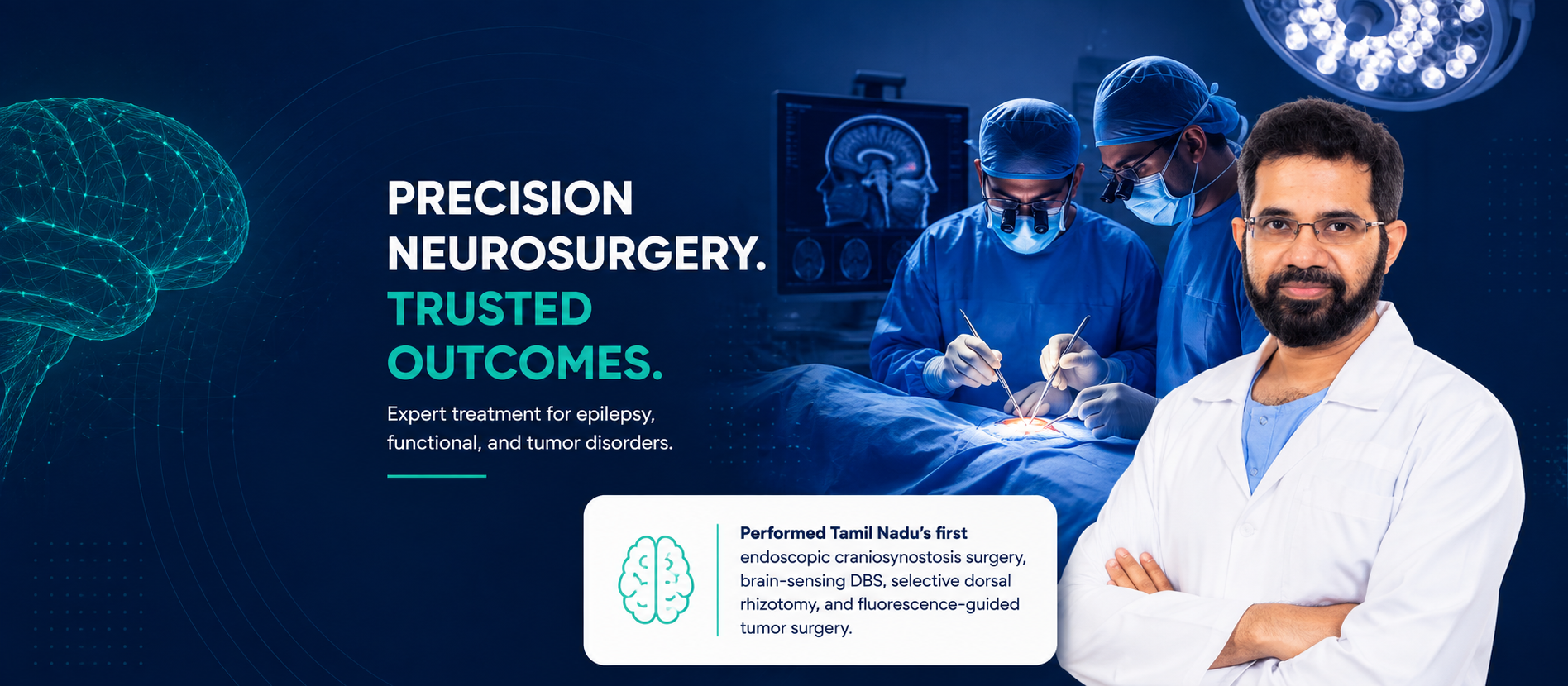
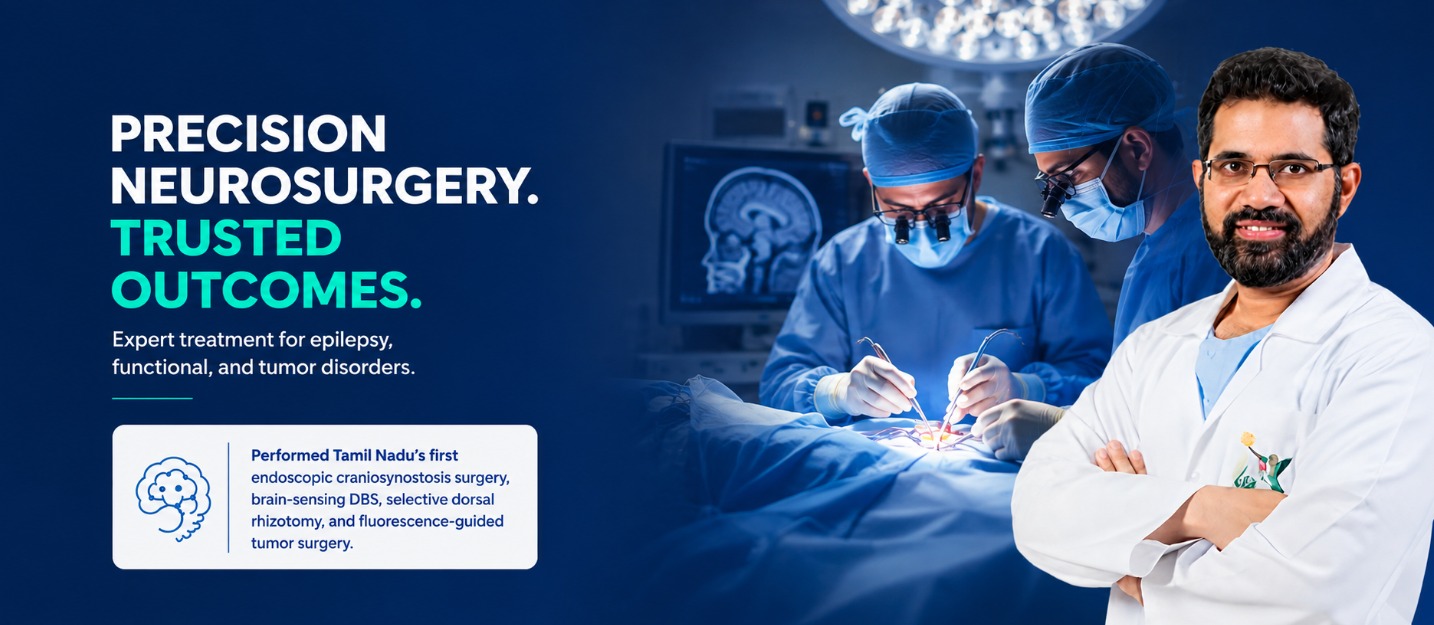
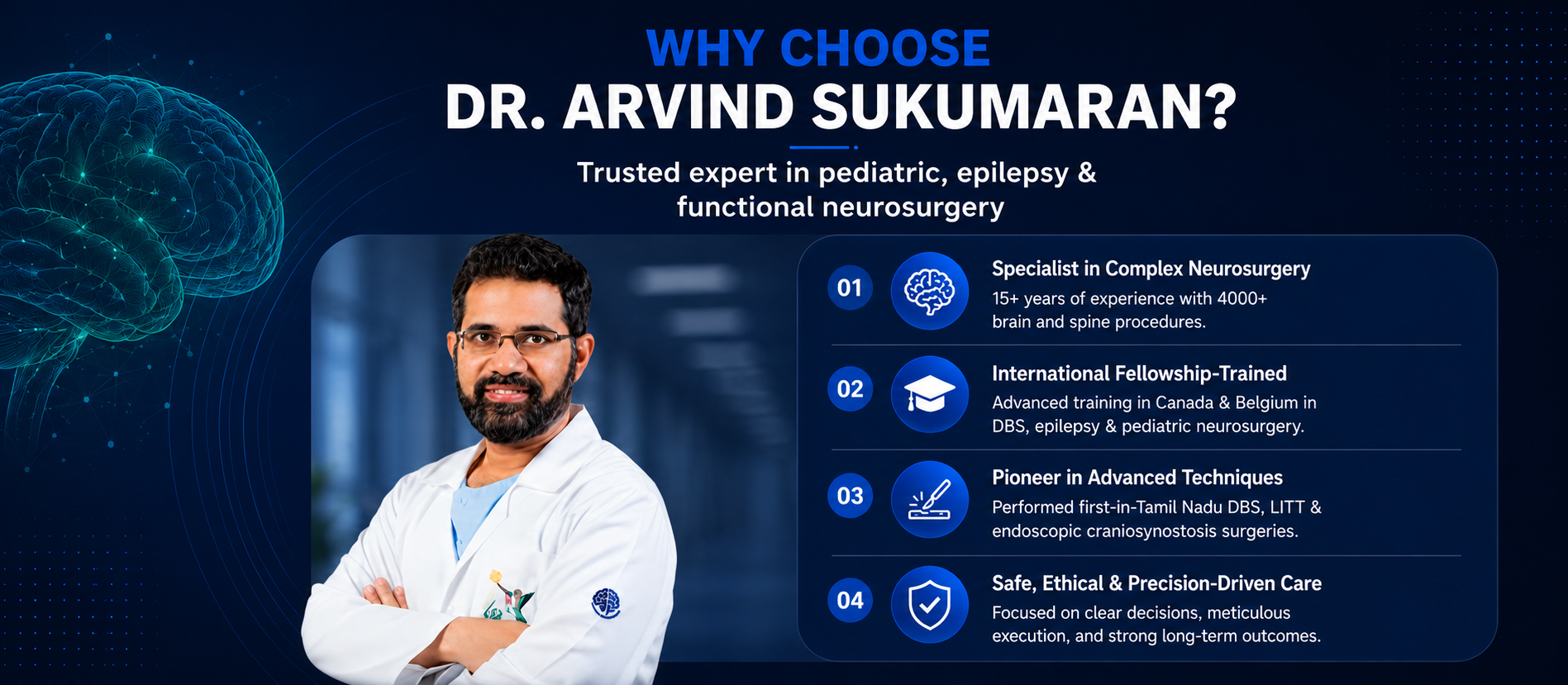
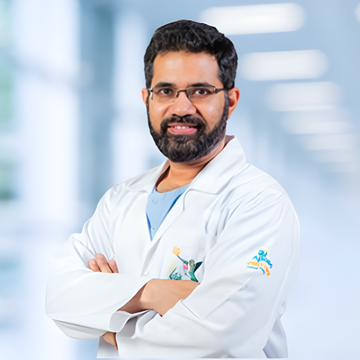
Senior neurosurgeon skilled in pediatric, epilepsy, functional, and neuro-oncology care; NIMHANS-trained with global fellowships and 5000+ surgeries.
Doctor's Philosophy and Vision
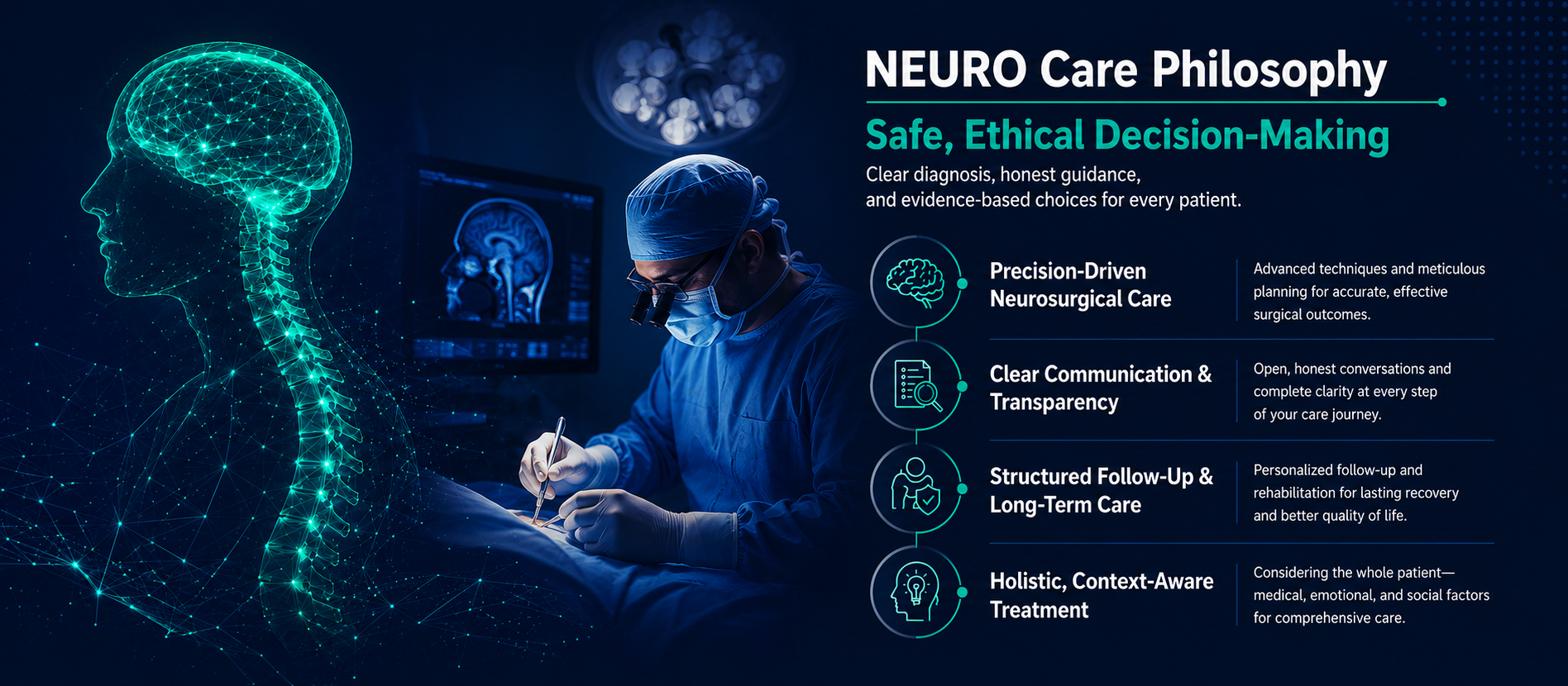
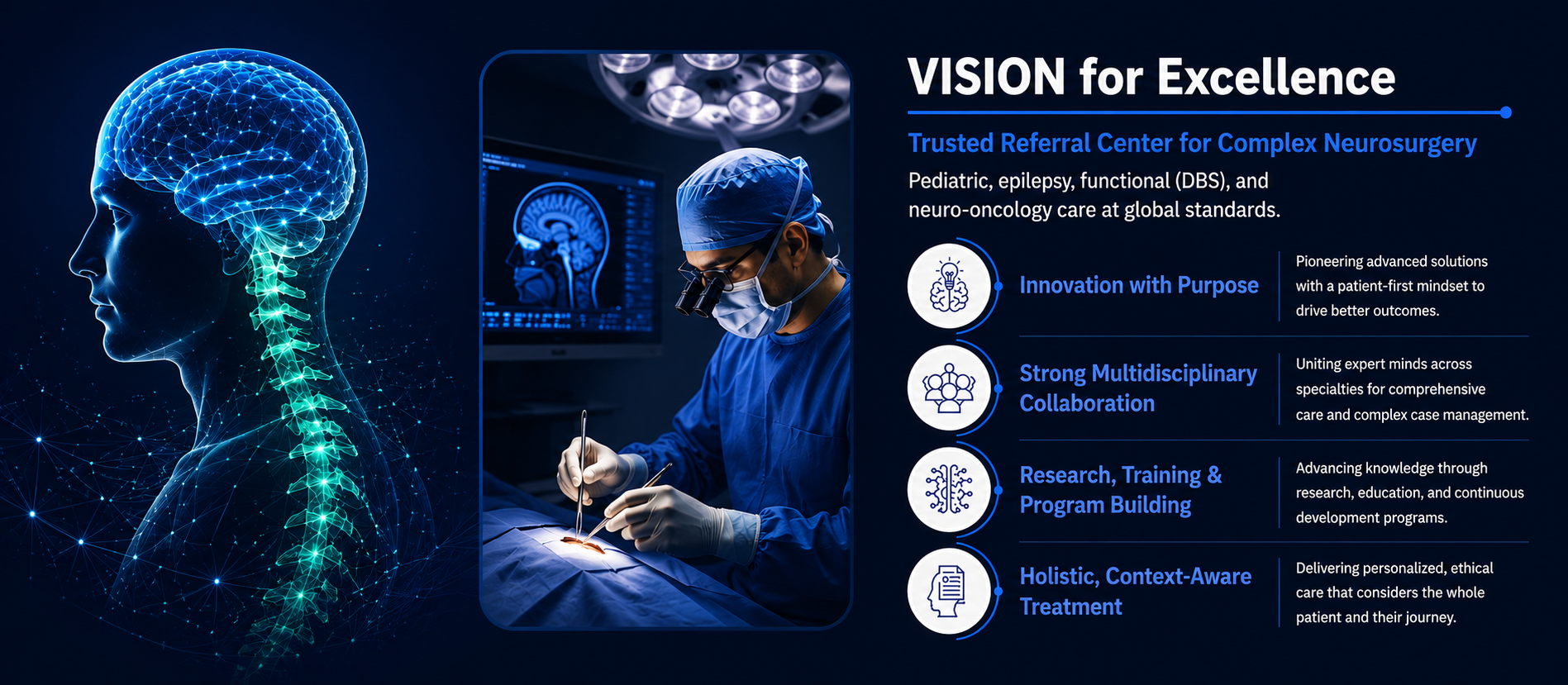
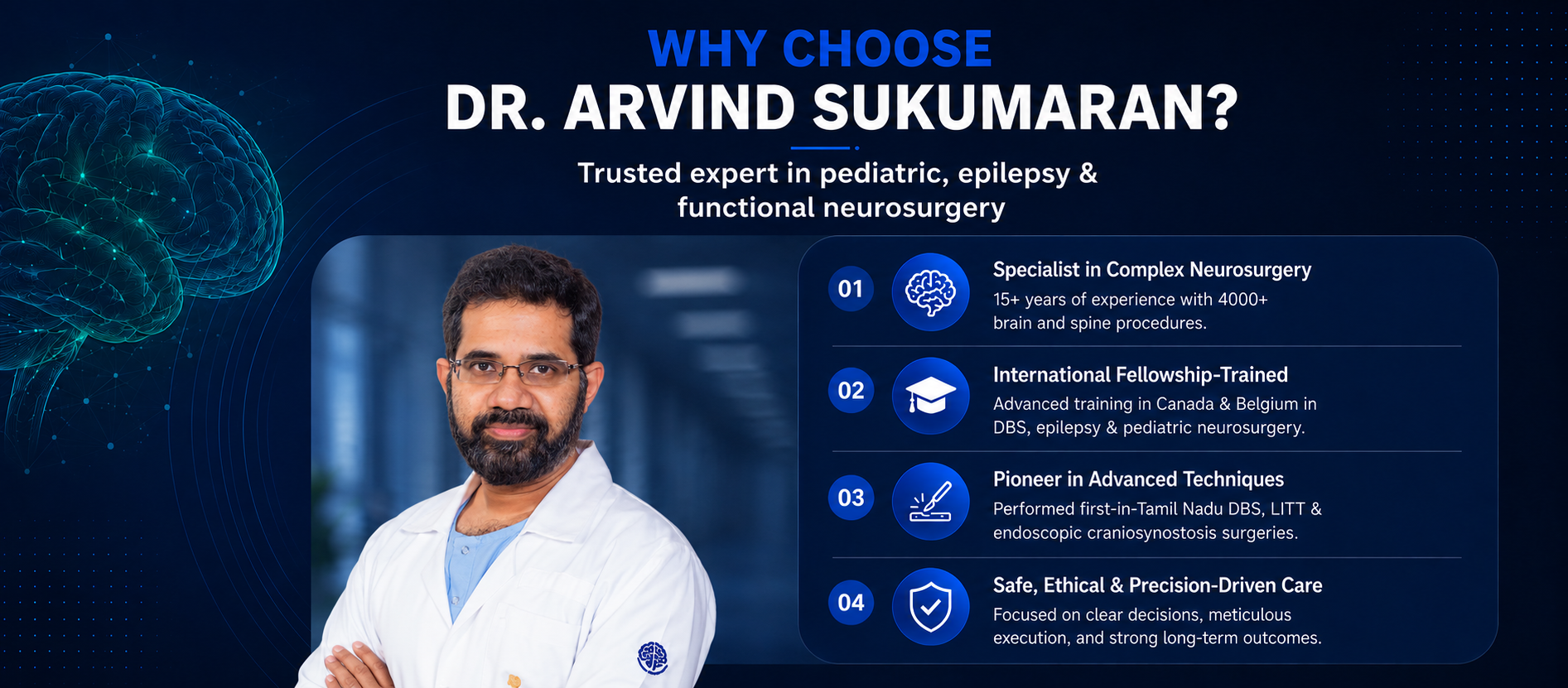
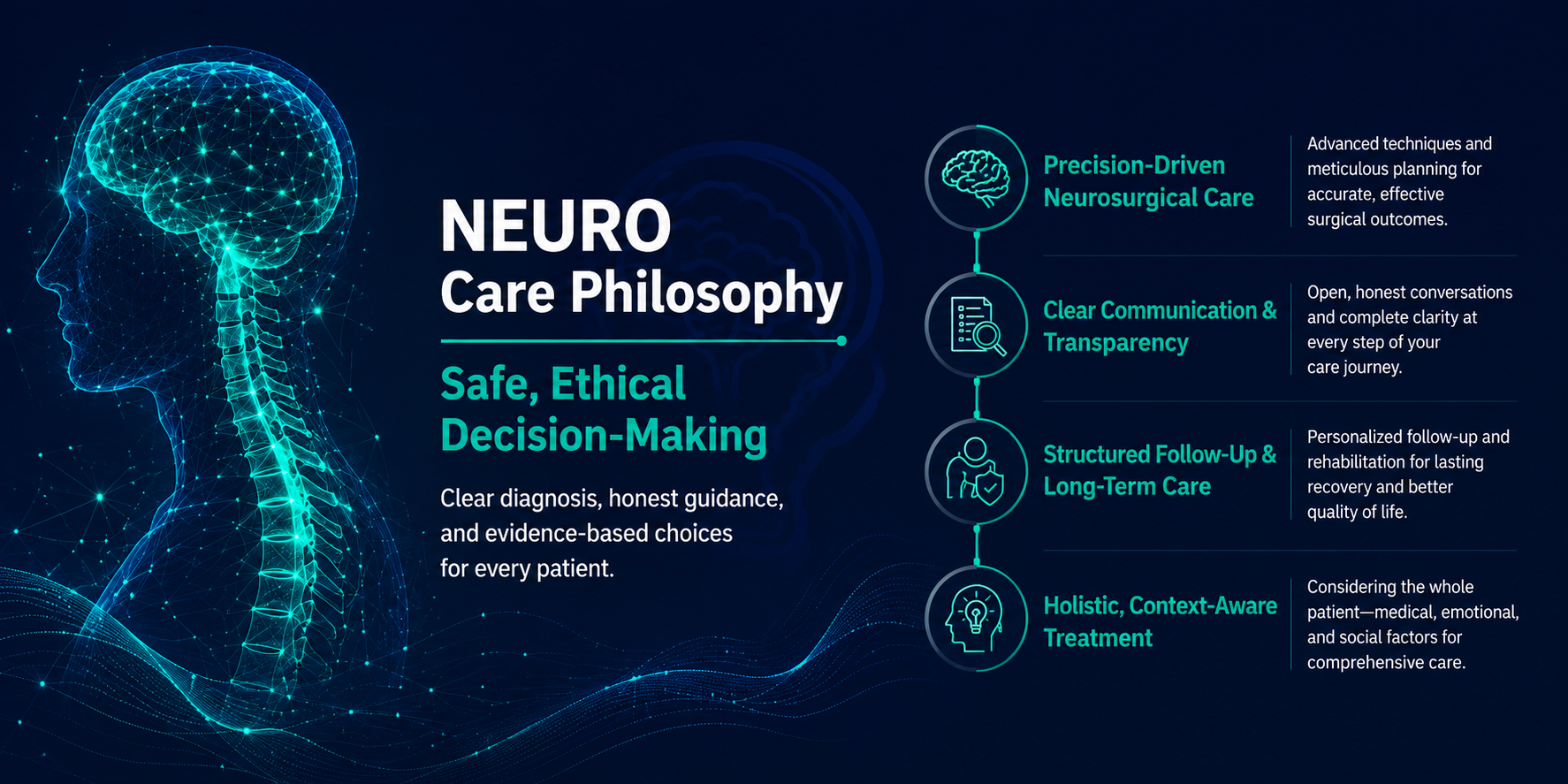
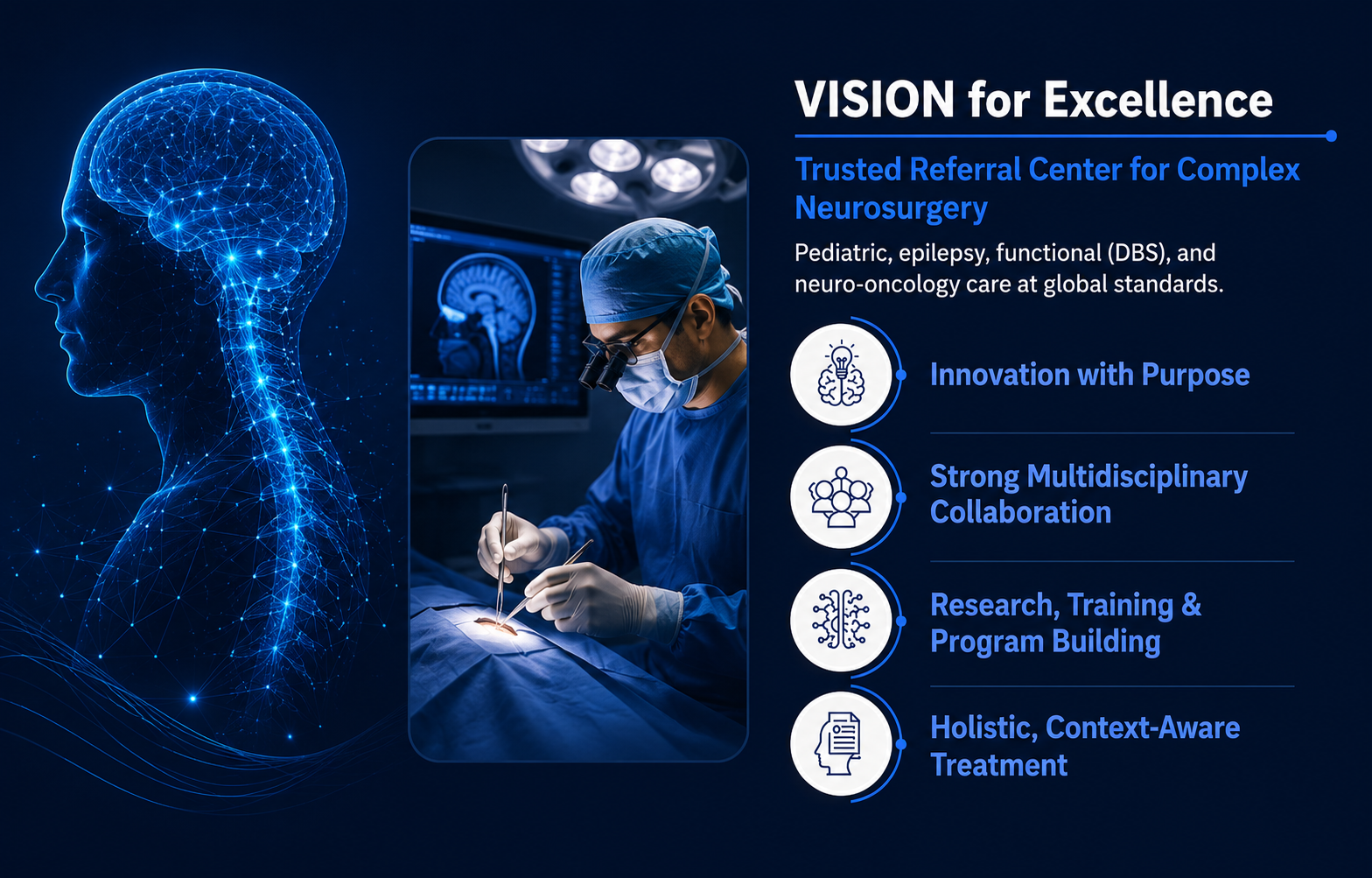
Senior Consultant Neurosurgeon specializing in Pediatric Neurosurgery, Epilepsy Surgery, Functional Neurosurgery/DBS, and Neuro-Oncology, is committed to delivering high-precision, ethically grounded, and outcome-focused care.
Years of Experience
Cranial and Spine Procedures Performed
Lives Touched
Expert Neurosurgical Care Across Pediatric, Epilepsy, Functional & Tumor Disorder
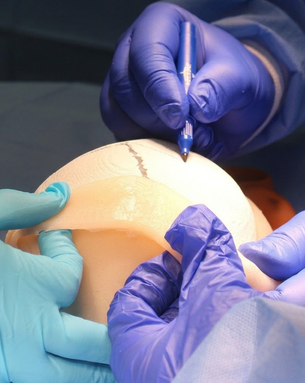
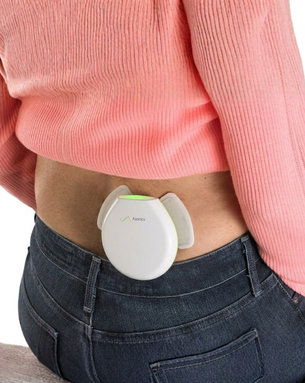
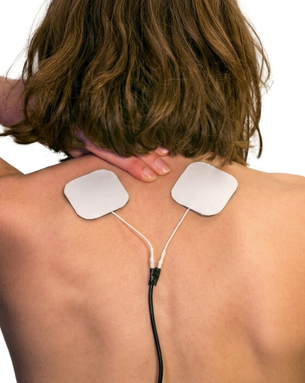
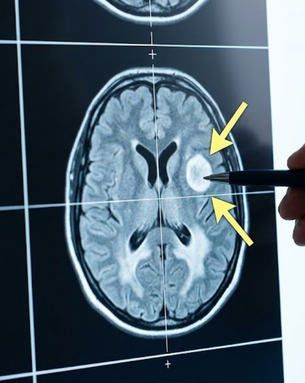
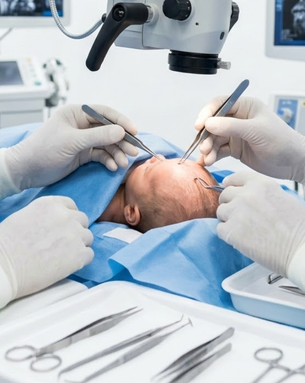
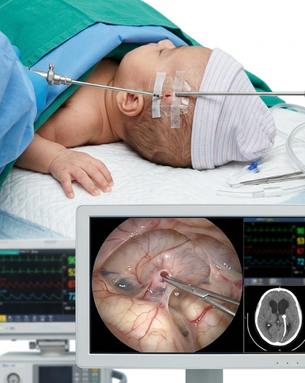
Stay informed with our latest updates, posts, announcements, and healthcare news
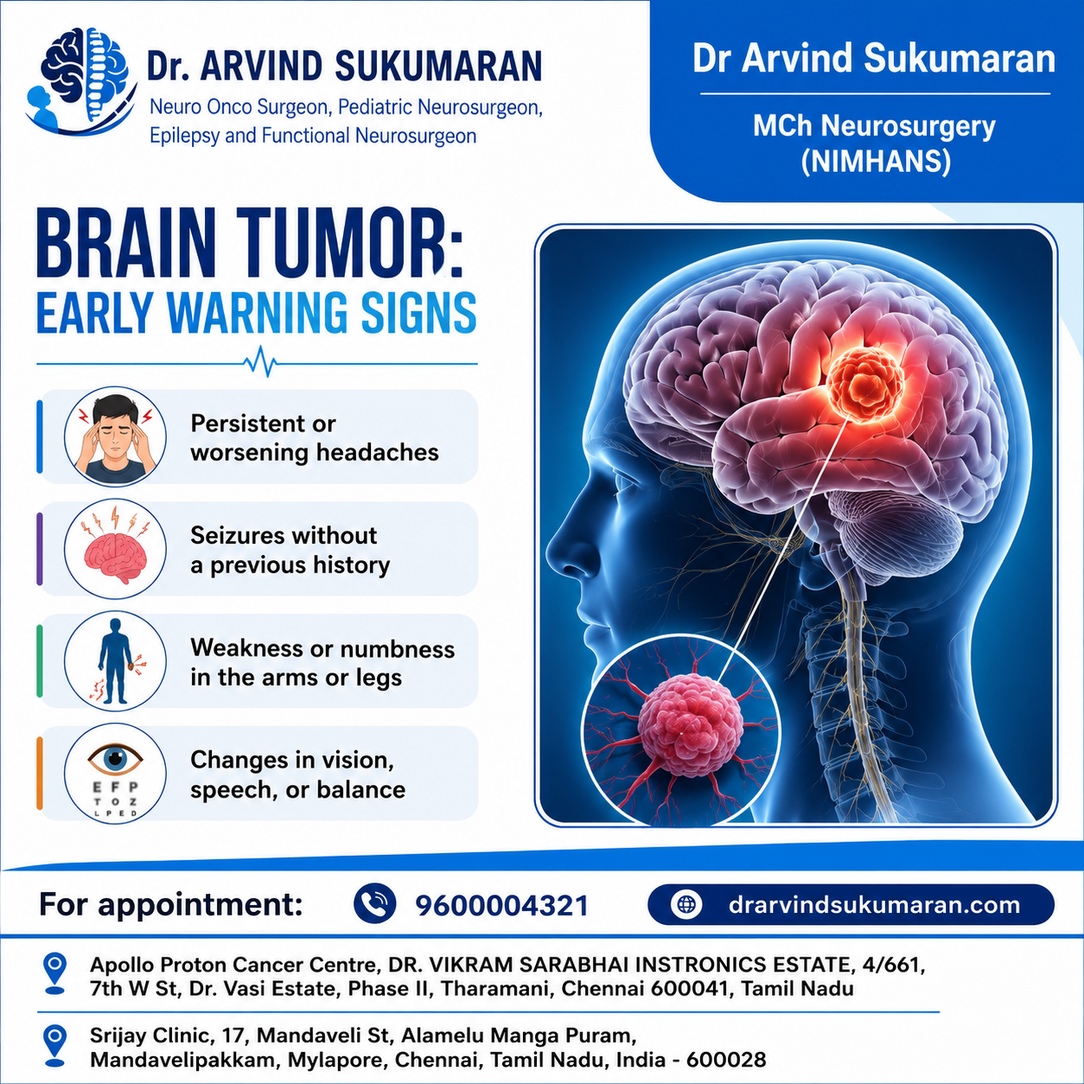
Persistent neurological symptoms shouldn’t be ignored. Early evaluation and time...See More
Jul 28, 2026
Neurosurgeon, Pediatric Surgeon
What our Patients says about us
We consulted Dr. Aravind Sukumaran for my Son Joshiith who is 9 years Old. He is One of a Wonderful Doctor i ever Met. He is very patient friendly. He calmly explains what is the situation, what is the solution, what is the outcome, what we needs to do etc., He supported us in this journey from the beginning. We are waiting for our Son's Surgery schedule. But as a parents, we strongly believe our son is in Safe Hands. Thank you So Much Doctor! Thank you For your guidance and Your Support!

We reached at right person in right place during our dark days to become bring bright in whole life.
He Is clearly explain about the procedures. Very good Dr. Great experience Thank you Doctor
A very warm and patient in explaining details of the issues,and guides well with the do's and don'ts.
Need Answers? Find them here...
Dr. Arvind Sukumaran specializes in pediatric neurosurgery, epilepsy surgery, functional neurosurgery, neuro-oncology, and complex brain and spine disorders. His expertise includes deep brain stimulation (DBS), craniosynostosis surgery, epilepsy disconnection procedures, LITT, stereotactic biopsies, endoscopic hydrocephalus surgery, sacral neuromodulation, spinal cord stimulation, and spasticity treatments. With 15+ years of experience and 4000+ procedures, he provides advanced, safe, and precision-driven neurosurgical care for children and adults in Chennai.
A patient should consult an epilepsy neurosurgeon when seizures remain uncontrolled despite optimal medications, when there is a clear structural lesion, or when seizures affect learning, behavior, or daily functioning. Early evaluation improves outcomes, especially in children. Dr. Arvind follows a structured pathway—clinical assessment, EEG, imaging, and advanced monitoring—to localize the seizure focus accurately. Based on findings, he recommends resection, disconnection, neuromodulation (DBS/VNS), or minimally invasive LITT to achieve long-term seizure control.
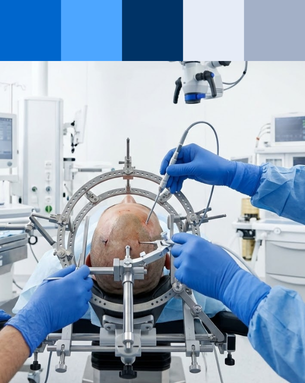
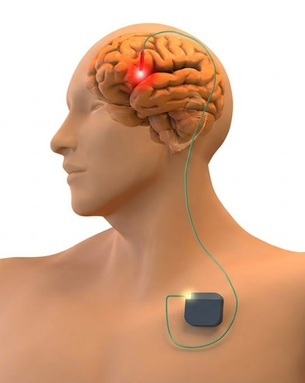
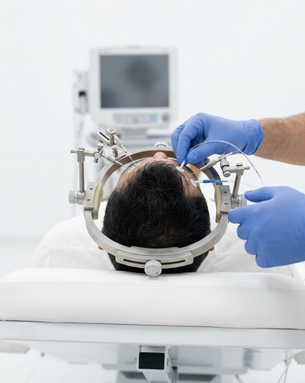
Deep Brain Stimulation (DBS) is an advanced neuromodulation procedure used for Parkinson’s disease, dystonia, essential tremor, OCD, Tourette syndrome, and select neurological movement disorders. It involves implanting electrodes in precise brain targets to modulate abnormal circuitry. Dr. Arvind performs directional and brain-sensing DBS with high accuracy using international fellowship training experience. Patients with disabling tremors, stiffness, rigidity, or medication side effects benefit significantly, with improved independence, mobility, and long-term quality of life.
Dr. Arvind provides specialized care for pediatric brain and spine conditions including hydrocephalus, craniosynostosis, pediatric brain tumors, spina bifida, Chiari malformations, CVJ anomalies, epilepsy, and select spasticity disorders. His training in pediatric neurosurgery in Canada ensures child-specific planning that respects anatomy, growth, and neuroplasticity. He focuses on safe, minimally invasive strategies whenever possible. Families receive clear explanations, supportive guidance, and structured follow-up to ensure long-term developmental and functional outcomes.
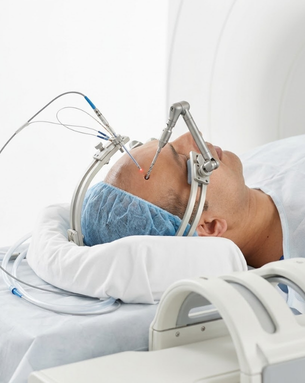
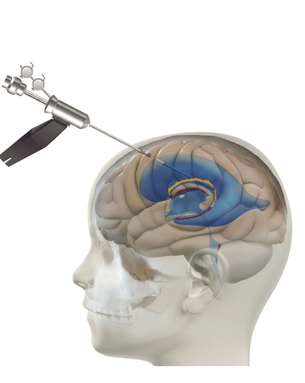
Laser Interstitial Thermal Therapy (LITT) is a minimally invasive, MRI-guided laser treatment used for epilepsy and deep-seated brain tumors. It targets abnormal tissue with high precision, minimizing damage to surrounding areas. LITT is suitable for patients who are not ideal candidates for open surgery or whose seizure focus/tumor lies in delicate brain regions. With training from leading LITT programs internationally, Dr. Arvind uses this technique to offer safe, effective outcomes with faster recovery and minimal scarring.
Brain tumors are evaluated using high-resolution MRI, advanced tractography, functional mapping, and multidisciplinary review involving oncology, radiology, and pathology. Dr. Arvind performs fluorescence-guided tumor resections, awake craniotomy, stereotactic biopsies, and maximal safe resections using intraoperative neuromonitoring and navigation. Treatment plans balance tumor control with preservation of speech, movement, and cognition. Patients receive structured guidance on surgery, radiation, chemotherapy, rehabilitation, and long-term surveillance, ensuring comprehensive neuro-oncology care.
Surgery is recommended when hydrocephalus leads to increased head size, vomiting, irritability, developmental delay, or imaging showing raised intracranial pressure. Dr. Arvind offers endoscopic third ventriculostomy (ETV), ETV-CPC, and shunt procedures based on age, anatomy, and cerebrospinal fluid dynamics. His emphasis is on minimally invasive options when safe. Post-surgical follow-up includes monitoring head growth, milestones, and symptoms to ensure long-term stability and avoid shunt-related complications.
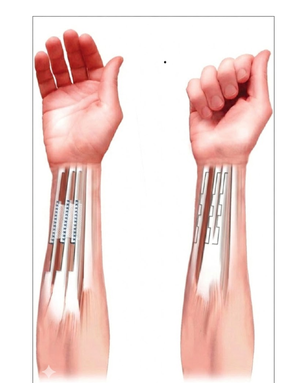
Spasticity surgery helps children and adults with severe stiffness due to cerebral palsy, spinal cord injury, stroke, or congenital disorders. Dr. Arvind performs selective dorsal rhizotomy (SDR), intrathecal baclofen pump implantation, and targeted neuromodulation to improve mobility, comfort, and independence. Surgery is recommended when physiotherapy and medications are insufficient. Comprehensive evaluation—gait assessment, tone analysis, imaging, and functional scoring—determines eligibility. His focus is durable functional improvement through precise selection and multidisciplinary rehabilitation.
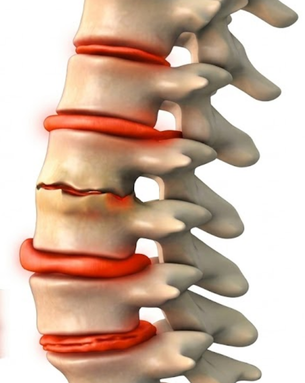
Complex spine diseases such as disc degeneration, nerve compression, myelopathy, and instability are evaluated with MRI, neurological assessment, and functional scoring. Dr. Arvind offers minimally invasive spine surgery, decompression, discectomy, stabilization, and endoscopic procedures. His approach aims to relieve pain, restore mobility, and prevent neurological decline while minimizing tissue disruption. Postoperative recovery is guided through structured rehabilitation, ergonomic planning, and long-term surveillance to prevent recurrence and ensure strong functional outcomes.
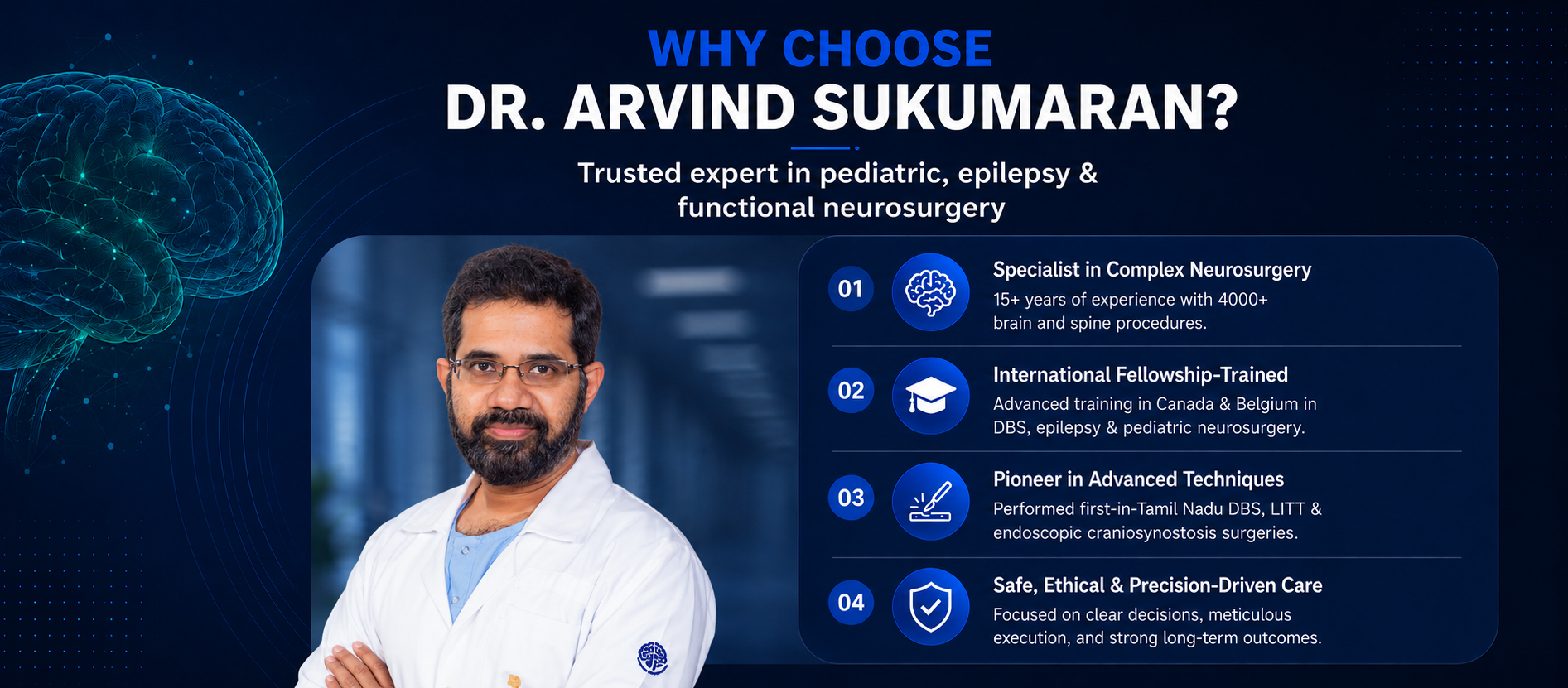
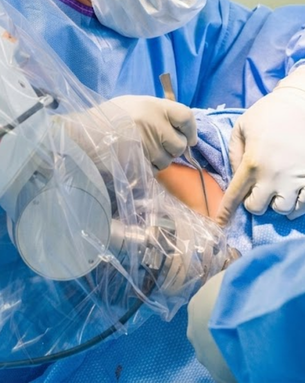
His practice integrates global-standard training, advanced technology, and disciplined decision-making. With fellowships from Canada and Belgium, expertise in DBS, pediatric neurosurgery, stereotaxy, neuromodulation, and LITT, and multiple first-in-Tamil Nadu procedures, he brings rare technical depth. His patented fluorescence-guided microscope innovation, academic contributions, and patient-centric care philosophy ensure clarity, safety, and long-term results. Families value his structured explanations, calm guidance, and focus on functional preservation.
Dr. Arvind explains surgical risks in clear, simple language, outlining what is essential, what can be minimized, and what is extremely rare. Each patient receives a structured breakdown of expected outcomes, possible complications, alternative treatments, and recovery steps. He ensures transparency without creating fear, helping families make confident, informed decisions. His philosophy emphasizes context-aware choices—respecting age, occupation, anxiety, and family responsibilities—while maintaining uncompromising safety and precision.
Recovery is guided by a structured plan tailored to the surgery type and patient’s neurological baseline. Follow-up includes wound checks, imaging when needed, medication adjustments, physiotherapy, and clear education on warning signs. Long-term surveillance ensures stability for disorders like tumors, hydrocephalus, epilepsy, and DBS-managed conditions. His team focuses on restoring function, monitoring progress, and preventing recurrence. Patients appreciate the clarity, accessibility, and long-term commitment that define his follow-up care.
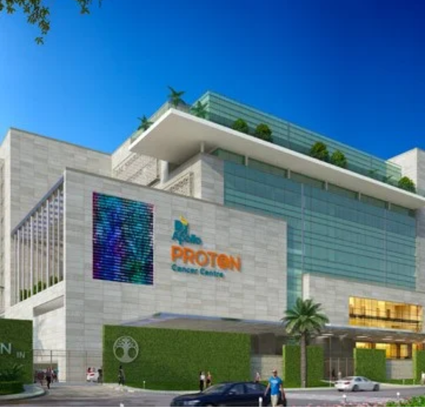
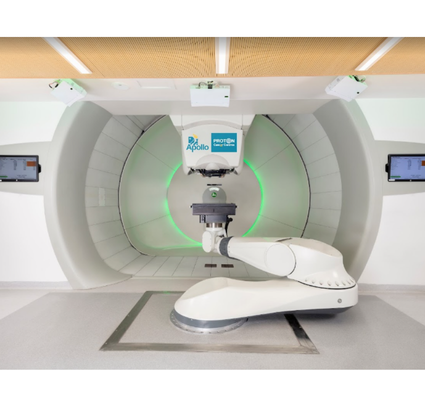
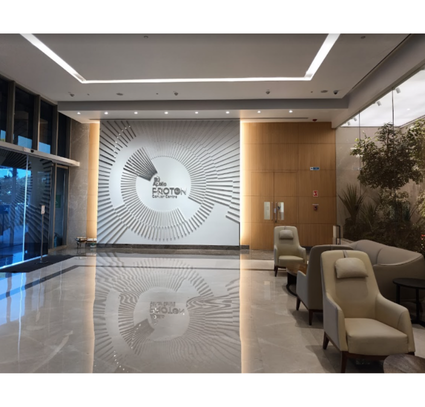
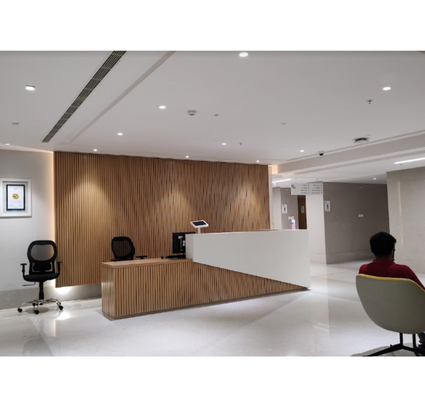
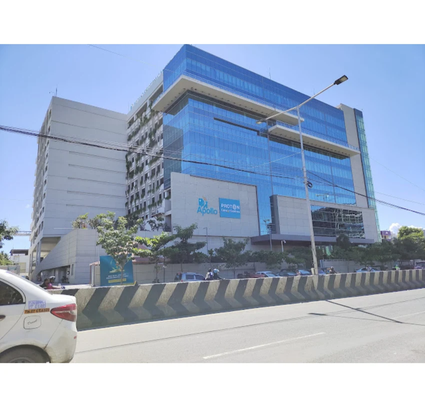
 Address :Apollo Proton Cancer Centre, DR. VIKRAM SARABHAI INSTRONICS ESTATE, 4/661, 7th W St, Dr. Vasi Estate, Phase II, Tharamani, Chennai 600041, Tamil Nadu Address :Apollo Hospital, Greams Lane, 21, Greams Rd, Thousand Lights West, Thousand Lights, Chennai 600006, Tamil Nadu Address :Srijay Clinic, 17, Mandaveli St, Alamelu Manga Puram, Mandavelipakkam, Mylapore, Chennai 600028, Tamil Nadu Address :Apollo Children's Hospital,15, Shafee Mohammed Rd, Thousand Lights West, Thousand Lights,, Chennai 600006, Tamil Nadu